Warm Greetings, Emersonians,
With the first half of the academic year coming to a close, the upcoming winter break provides an opportunity for joy, rest, and rejuvenation.
This time of year is also important for many spiritual and religious observations. Below is information about our Multifaith Observance Google Calendar, as well as important times of worship, celebration, and traditions of the various spiritual and seasonal holidays that take place throughout the Winter season from December through February.
As our community prepares to transition into break, we hope you find time to reflect on your accomplishments and goals this year. We offer well wishes to each of you and extend care to our community members marking holidays and celebrations important to faith, spiritual, and cultural traditions in the days and weeks ahead.
Multifaith Observance Resources
The Multifaith Observance Google Calendar (MOGC) displays information on important religious and spiritual dates, as well as restrictions to note when planning campus events, course deadlines, meetings, or programs. This campus resource can be synced to your Gmail account.
The MOGC was created through a collaboration between the Division of Community, Culture, and Belonging and Spiritual Life and is based on resources from Harvard Divinity School. Please remember that our Religious Accommodations Policy exists so that holidays can be recognized and honored by members of our community.
The lists and descriptions included on the MOGC are a work in progress. Please do not hesitate to reach out to us at celebratediversity@emerson.edu if we can make this tool better.

Winter Spiritual Observances and Holidays
Hanukkah (Jewish)
Evening of Sunday, December 14 – Monday, January 22
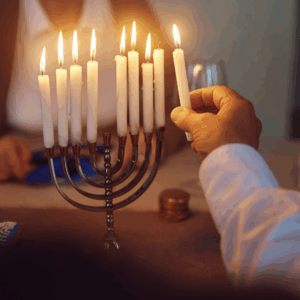
- Also known as the Festival of Lights, this eight-day-long holiday celebrates the victory of the Maccabee Jews and the restoration of the Holy Temple in Jerusalem.
- Learn more: Hanukkah
Winter Solstice and/or Yule (Pagan)
Sunday, December 21
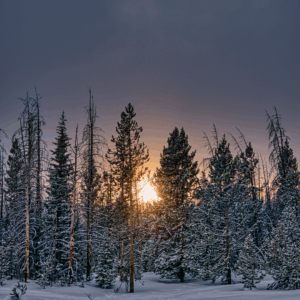 The longest night of the year, this solar holiday in the Northern Hemisphere marks the first official day of winter. Yule is the pagan celebration of the rebirth of the sun.
- Learn More: Yule Festival
Joseph Smith’s Birthday (Latter Day Saints)
Tuesday, December 23
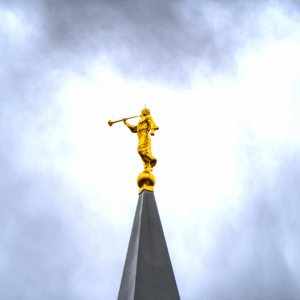 Celebration of the birthday of Joseph Smith, who founded The Church of Jesus Christ of Latter-Day Saints (formerly known as the Mormon Church).
- Learn More: Joseph Smith
Christmas (Christian)
Thursday, December 25
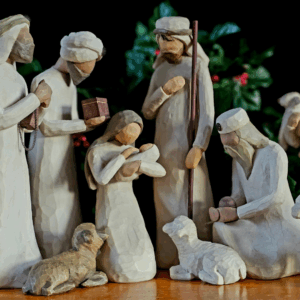 The annual observance of the birth of Jesus, associated with Advent, ornament-covered Christmas trees, gift giving, and family gatherings.
- Orthodox Christians follow the Julian Calendar and celebrate Christmas on January 7.
- Learn More: Christmas
Kwanzaa (African-American, Pan-African)
Friday, December 26 – Thursday, January 1
 A week-long celebration of African and African American culture that emphasizes the principles of Unity, Self-Determination, Responsibility, Cooperative Economics, Purpose, Creativity, and Faith.
- Learn More: Kwanzaa
Pongal (Hindu)
Wednesday, January 14 – Saturday, January 17
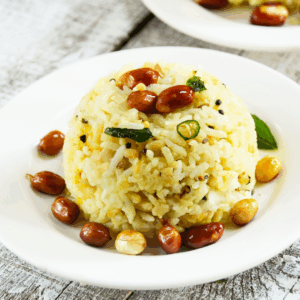 A four-day festival celebrating the beginning of Thai, an auspicious month in Hindu culture, also the name of the sweet rice dish meaning “to boil over.”
- Learn More: Pongal
Lunar New Year (East Asian)
Tuesday, February 17
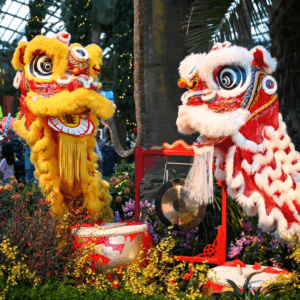 A fifteen-day-long observance of the beginning of a new year and the arrival of spring, involving red paper window decorations, open-air markets, and a Lunar New Year’s Eve reunion dinner.
- Learn More: Lunar New Year
Ramadan (Muslim)
Evening of Tuesday, February 17 – March 19
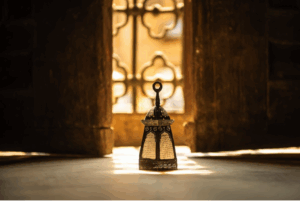 The 9th month of the Islamic calendar when the Holy Qur’an was shared with Prophet Muhammad, and observed by fasting from sunrise to sunset.
- Learn More: Ramadan
Losar (Buddhist)
Wednesday, February 18 – Friday, February 20
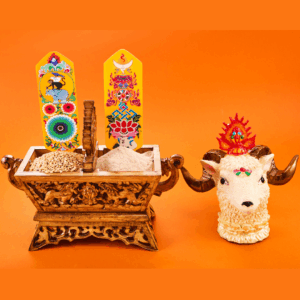 A celebration of both the Tibetan New Year and the achievement of cultural exchanges between the Han and Tibetan peoples, full of rituals, offerings, and family gatherings.
- Learn More: Tibetan New Year
Ayyám-i-Há (Baháʼí)
Wednesday, February 25 – Sunday, March 1
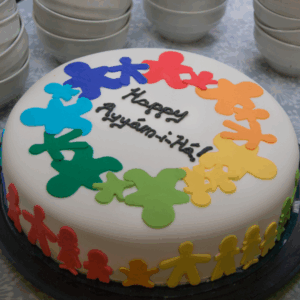 A celebration devoted to socialization, hospitality, and giving toward the less fortunate, followed by an annual Nineteen Day Fast.
- Learn More: Ayyám-i-Há