Dramaturgy at Emerson – by Julianna Fultineer, ’13
Last spring, one of the episodes of hit TV series, “Smash” was titled “The Dramaturg.” Does that mean that the little known but vital theatrical function is finally getting the mainstream recognition it deserves? In the episode, the sexy, sassy and smart dramaturgy, played by Daniel Sunjata, is called on to fix the multiple structural errors plaguing the script of “Bombshell,” the new musical based on the life of Marilyn Monroe, the production of which drives the main plot of “Smash.” In the show, the dramaturg is referred to as “the book doctor.” But in real life, who are the dramaturgs and what do they do?
As a college, Emerson’s proclaimed goal is to bring “innovation to communications and the arts.” About six years ago, Emerson decided to take a step into innovative territory, and create a dramaturgy concentration within the Bachelor of Arts degree in Theatre Studies. Magda Romanska, professor of Theatre and Dramaturgy, Boston Lyric Opera Dramaturg, and author of the forthcoming Companion to Dramaturgy, launched the program for which the time was just ripe. Asked what the contemporary dramaturg does, Romanska says:
A dramaturg is the sexy artsy nerd that can whip up and shape up all of the structural elements of the script as well as provide the missing historical context. If there ever was a time for a profession to flourish, our new information age creates a perfect storm for dramaturgical analysis to dominate how we process, shape and structure the story content into coherent narrative. Contemporary dramaturgs have made enormous advancements in recent years as the art form now permeates all kinds of dramatic forms: from opera to musical theatre, from dance and multi-media to film making, video game design and robotics.
The definition of dramaturgy is expanding. In our global, mediated context of multi-national group collaborations that unbend traditional divisions of roles as well as previously intransigent rules of time and space, dramaturg is an ultimate globalist: inter-cultural mediator, information and research manager, media content analyst, inter-disciplinary negotiator, social media strategist.
Romanska’s statements support current trends in theatre, with dramaturgy reaching to new lengths and having a more prominent and influential role in the creative process. For those of us in the field, dramaturg is the unsung hero of the creative processs. In the rehearsal room, the dramaturg is indeed “a script doctor.” As Romanska explains:
A good dramaturg has the ability and guts to tell you what you don’t want to hear. He’s the truth teller, “the script doctor,” like Dr. House.His objective is to get the job done. Dramaturg works for the audience, pointing out all the plot holes and inconsistencies, sifting out the clichés, cheesiness and pathos.
Dramaturgy is a field that many theatre practitioners do not even discover until a few years into their collegiate degree. It is no small wonder that there is a shortage of undergraduate programs concentrating in this little known albeit necessary aspect of the theatre process. While there is a strong assembly of graduate programs in the subject, among them Yale, Columbia, and, UCSD, there is a glaring absence amongst bachelor’s programs.
The concentration in dramaturgy at Emerson is still relatively new, and therefore still in its nascent stages of existence. Virtually every dramaturgy major meets with the same academic advisor, Prof. Romanska, who also serves as advisor for the student’s Emerson Stage production projects. This creates an environment conducive to intellectual nurturing. Students feel comfortable enough to take risks, ask questions, and ultimately grow by leaps and bounds within the small dramaturgy community.
Since the program’s inauguration in 2009, Emerson dramaturgs have solidified a national reputation and leadership status. So far, three dramaturgy students won the National Kennedy Center American College Theater Festival Dramaturgy Awards and two students won the runners-up in the qualifying regional contests. The festival, which was founded in 1969 by Roger L. Stevens, operates on the regional and national levels, giving students from many institutions a chance to showcase their work and see how they measure up to one another. It has come to include more than 18,000 students across the country and over 600 colleges. The preparation process for KCACTF is in-depth, meticulous and time consuming. From this intersection of the professional and the educational, the craftsmanship of students grows into impressive bodies of work.
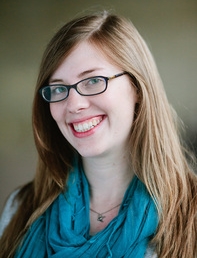
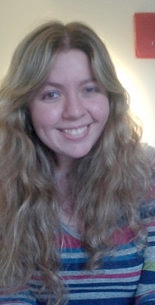
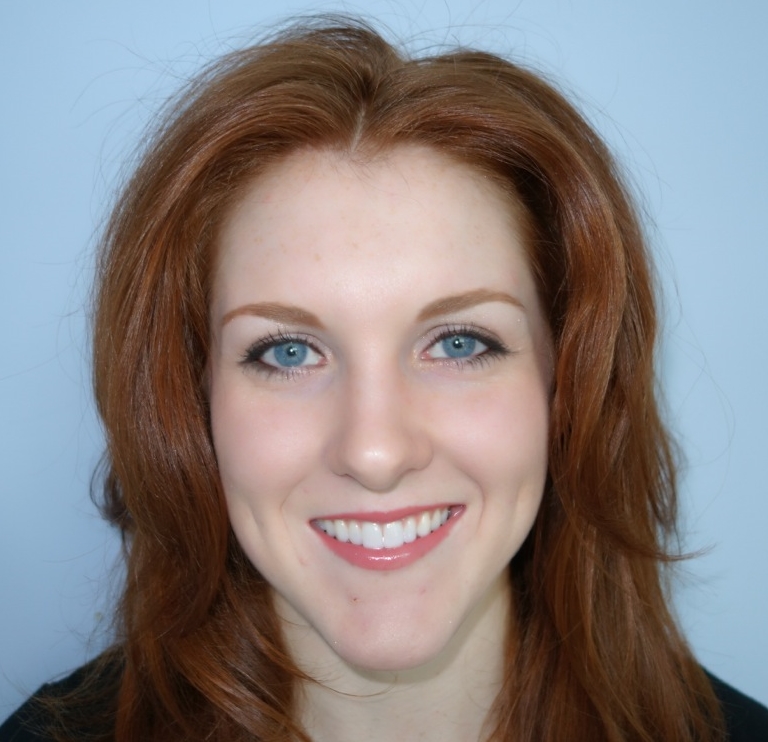
In 2009, Anne Morgan won the National KCACTF Dramaturgy Award for her work on the musical Little Women. Anne is now the literary manager at the Tony Award winning Eugene O’Neill Theater Center. The second Emerson dramaturg to win was Jessica Baxter, who won for her work on The Incorruptible in 2010. Currently, Jessica is the Literary Director for Fresh Ink Theatre, a new company here in Boston, which she helped to launch. In 2012, Tierra Bonser became the third student to win The Kennedy Center/ LMDA Dramaturgy award. She won a fellowship to the Kennedy Center MFA Playwrights’ Workshop and a New Play Dramaturgy Intensive in association with the National New Play Network.
Emerson dramaturgy’s participation in KCACTF has come to reflect the growing importance of dramaturgy in the theatre, as well as beyond. In the coming years, as the profession gains steam and acclaim, Emerson will hold fast in its position as a front runner in the undergraduate dramaturgy arena.